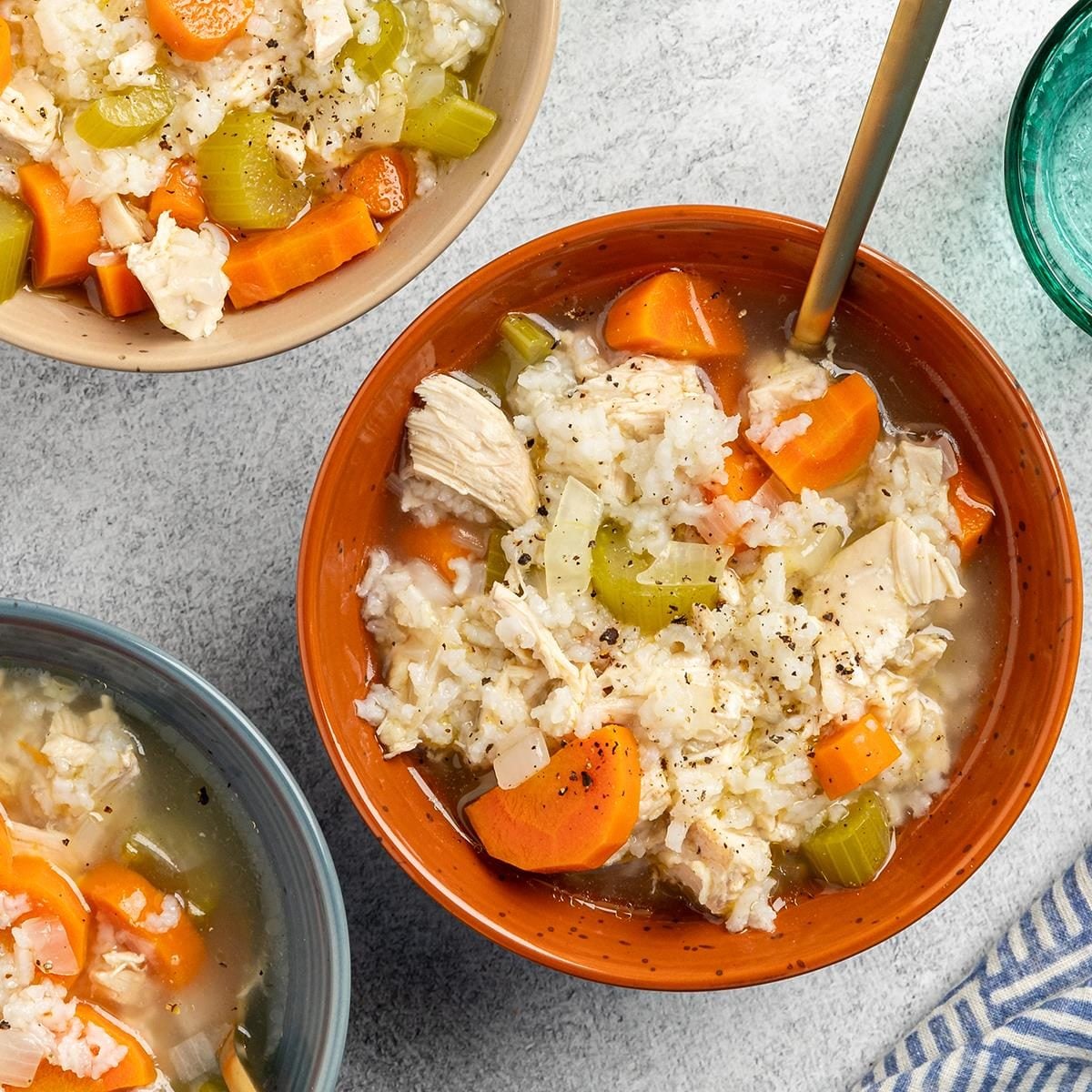
Mastering Chicken & Rice Soup: The Ultimate Guide to Picking Your Perfect Grain
There's something inherently comforting about a bowl of warm chicken and rice soup. It's a culinary hug, a childhood memory, and a go-to remedy for a chilly day or a sniffly nose. While the tender chicken, vibrant vegetables, and aromatic broth are undoubtedly essential, the often-overlooked hero of this classic dish is the rice itself. The type of rice you choose can dramatically alter the texture, consistency, and even the flavor profile of your soup, transforming a simple meal into an unforgettable experience. This comprehensive guide will help you navigate the world of grains, ensuring your next pot of chicken and rice soup is perfectly tailored to your taste and lifestyle.
The Heart of Comfort: Why Chicken and Rice Soup Endures
For generations, chicken and rice soup has held a cherished spot in kitchens worldwide. Its enduring appeal lies in its simplicity, versatility, and profound ability to nourish both body and soul. From a busy weeknight meal ready in under an hour to a slow-simmered family tradition, this soup adapts to almost any occasion. The core elements – succulent shredded chicken, a medley of garden vegetables like carrots, celery, and onions, and a deeply savory broth – create a harmonious base. What truly elevates the flavor, transforming it from merely good to truly spectacular, are often subtle additions. A vibrant splash of fresh lemon juice, the warming kick of ginger, and the aromatic depth of garlic are often the unsung heroes that infuse the broth with an invigorating zest and a comforting warmth, making it particularly welcome when you're feeling under the weather. For those craving an extra layer of indulgence, stirring in a touch of cream can transform the broth into a luxuriously rich and creamy delight, further enhancing that sought-after comfort food feel.
Decoding Your Rice Choices: A Culinary Compass for Chicken & Rice Soup
The type of rice you select is not merely an afterthought; it's a foundational decision that impacts everything from cooking time to the texture of your leftovers. Each grain offers a unique contribution, making the choice a personal one. Consider what you prioritize: speed, texture, or longevity.
White Rice: The Speedy, Tender Classic
White rice, in its various forms (long-grain, medium-grain, or short-grain), is arguably the most common and accessible choice for chicken and rice soup. Its quick cooking time and ability to absorb flavors readily make it a convenient option for a speedy meal. When cooked, white rice becomes wonderfully soft and tender, melting into the broth for a creamy mouthfeel. However, this very characteristic is also its most significant consideration: white rice continues to absorb liquid even after the soup is done cooking and cooling. This means that while your initial bowl will be perfectly balanced, leftovers can become noticeably thicker as the rice swells and soaks up more broth. If you're a fan of white rice and anticipate enjoying leftovers, a valuable tip is to prepare a little extra chicken broth on the side. When reheating, you can then thin the soup back to your desired consistency, restoring its original allure. For those aiming for a quick, comforting meal without much fuss, white rice remains an excellent choice.
Brown Rice: The Nutty, Hearty Whole Grain
For those seeking a more robust, nutritious option, brown rice is an excellent contender. As a whole grain, it retains its bran and germ layers, which impart a distinct nutty flavor and a chewier, more substantial texture compared to white rice. This structural integrity is a significant advantage when it comes to longevity; brown rice holds its shape remarkably well, even after extended simmering or refrigeration. This makes it an ideal choice if you frequently prepare large batches of soup for meal prep or expect to enjoy leftovers for several days, as it's far less prone to becoming mushy. The trade-off for its superior texture and nutritional benefits is a longer cooking time, typically 50-60 minutes. This extended cooking duration means you’ll need to adjust your soup preparation schedule, often adding the brown rice earlier in the process. Interestingly, this longer cooking time also makes brown rice a natural companion for tougher cuts of chicken, such as boneless, skinless chicken thighs, which also require more time to become fall-apart tender. The two can simmer together harmoniously, reaching their optimal textures around the same time.
Wild Rice: The Earthy, Firm & Fantastic Option
Wild rice, while technically a grass seed rather than a true rice, offers a uniquely gourmet experience in your chicken and rice soup. Its long, slender grains boast a deep, earthy flavor and a wonderfully firm, chewy texture that provides a delightful counterpoint to the tender chicken and vegetables. Like brown rice, wild rice exhibits exceptional resilience, holding its structure beautifully even after prolonged simmering, reheating, or freezing. This makes it a stellar choice for make-ahead meals or large batches intended for the freezer, as you won't have to worry about it disintegrating into mush. Wild rice typically requires about 40-45 minutes to cook, placing its cooking time between white and brown rice. Its robust nature and distinct flavor pair exceptionally well with heartier broths and can add an unexpected layer of sophistication to your comfort food classic. If you're looking to elevate your soup with an intriguing texture and a deeper flavor profile, wild rice is an unbeatable option.
Jasmine or Basmati Rice: The Fragrant and Fluffy Duo
For an aromatic twist, consider jasmine or basmati rice. These long-grain varieties are renowned for their delicate fragrance – a nutty, popcorn-like scent for jasmine and a more floral, basmati aroma – which they subtly infuse into the soup. When cooked, they become light and fluffy, offering a tender texture that is somewhat similar to white rice but with an added layer of sensory delight. They behave much like white rice in terms of broth absorption, meaning they can thicken your soup upon standing and may benefit from extra broth when reheating. Choosing jasmine or basmati is about enhancing the overall sensory experience, adding an exotic and appealing scent that makes each spoonful a little more special. They are perfect for when you want your chicken and rice soup to feel a bit more refined and fragrant, without straying too far from the classic comforting texture.
Beyond the Grain: Complementary Choices for Your Perfect Bowl
While rice is central, the other components of your chicken and rice soup play equally vital roles in shaping its final character. Understanding how these elements interact can help you craft your ultimate comfort dish.
The Chicken Factor: Breasts vs. Thighs & Convenient Shortcuts
The choice of chicken greatly influences flavor and cooking time. Boneless, skinless chicken breasts are lean and cook quickly, making them ideal for a 45-minute soup. They shred easily and offer a mild, tender texture. Boneless, skinless chicken thighs, while requiring a longer simmer (30-40 minutes), contribute a richer, more succulent flavor and a more forgiving texture that resists drying out. Their extended cooking time makes them a perfect match for brown or wild rice, allowing both components to cook to perfection simultaneously. For ultimate convenience, don't overlook using leftover cooked chicken or a store-bought rotisserie chicken. Simply shred the pre-cooked chicken and add it during the last 5-10 minutes of simmering, after the vegetables have softened and the rice is nearly cooked through. This shortcut drastically reduces preparation time, making a nourishing bowl of chicken and rice soup accessible even on the busiest days. For detailed recipes that leverage both traditional and quick preparation methods, you might find inspiration in Unlock Mom's Flavorful Chicken & Rice Soup: Ready in 45 Mins.
Broth Enhancers and Aromatic Foundations
A truly flavorful broth is the backbone of any great chicken and rice soup. Beyond the classic trio of garlic, ginger, and lemon, consider layering in other aromatics. Sautéing a mirepoix (onions, carrots, celery) until tender and slightly caramelized before adding liquid creates a deeply savory base. A bay leaf, a sprig of fresh thyme, or a dash of dried poultry seasoning can further enrich the broth's complexity. A quality chicken broth or stock, preferably low-sodium, allows you to control the seasoning precisely. Some even opt for a homemade stock for unparalleled depth.
Tips for Soup Success: Maximizing Flavor and Longevity
- Mind the Broth-to-Rice Ratio: Especially when using white or aromatic rice, remember that these grains are thirsty. If planning for leftovers, it's wise to either cook the rice separately and add it to individual bowls, or simply prepare extra broth to thin the soup when reheating.
- Staggered Cooking: When using longer-cooking rice types (brown or wild) with quick-cooking chicken (breasts or pre-cooked), adjust your timing. Add the rice earlier to give it a head start, ensuring everything finishes cooking around the same time. If using chicken thighs, they can often go in with the longer-cooking rice.
- Preventing Mushiness: Avoid overcooking the rice initially. Cook it just until tender, as it will continue to soften slightly in the hot broth. This is particularly important for white and aromatic varieties.
- Seasoning in Layers: Season your soup at different stages. Salt the chicken as it cooks, season the vegetables as they sauté, and then adjust the final seasoning of the broth just before serving. This builds flavor from the ground up.
- Fresh Herb Finish: A sprinkle of fresh chopped parsley or dill just before serving adds a vibrant color and a burst of fresh flavor that complements the richness of the soup.
- Consider a Quick Version: If you're short on time but refuse to compromise on comfort, options like the Easy 5-Ingredient Chicken & Rice Soup: Comfort Food Made Simple offer nourishing solutions without the fuss.
Conclusion
From the quick comfort of white rice to the hearty earthiness of wild rice, and the aromatic charm of jasmine, the choice of grain in your chicken and rice soup is a powerful one. Each type offers a unique experience, influencing not just the taste and texture of your fresh bowl but also how well it holds up as delicious leftovers. By understanding the characteristics of different rices and thoughtfully integrating them with your choice of chicken and flavorful aromatics, you can elevate this beloved classic into a truly personalized culinary masterpiece. So go ahead, experiment with different grains, discover your favorite combination, and enjoy the profound comfort that only a perfectly crafted bowl of homemade chicken and rice soup can provide.
